
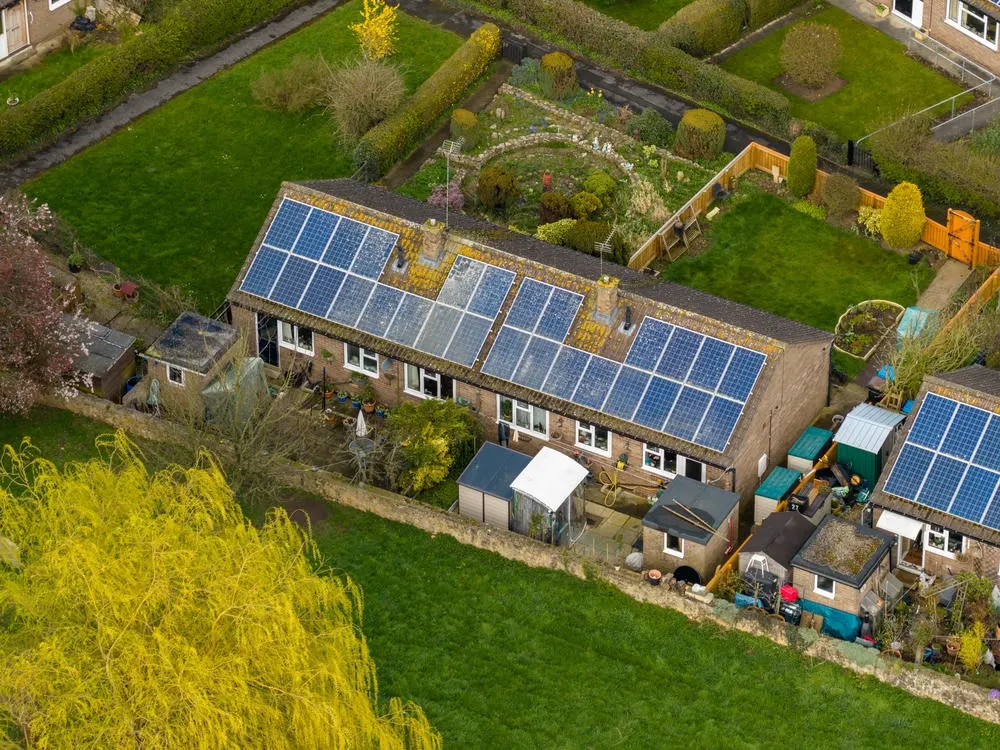
Solar power, installed and looked after for the long run.
We handle solar from the first site visit through to ongoing maintenance and the occasional repair, with our own licensed electricians doing the work at every stage.
- SAA accredited
- 4 panel brands
- Licensed electricians
One team, the whole way through.
We look after the systems we install for years after the job is done. Here is what each part of that involves.
New installations.
We start with a site assessment covering your roof’s orientation, shading through the day and how your household uses power, before recommending a system size. Our own licensed electricians then install and commission the system and set up your monitoring, so you can see how it’s performing from day one.
- Site assessment & design
- SAA accredited install
- Monitoring set up on the day
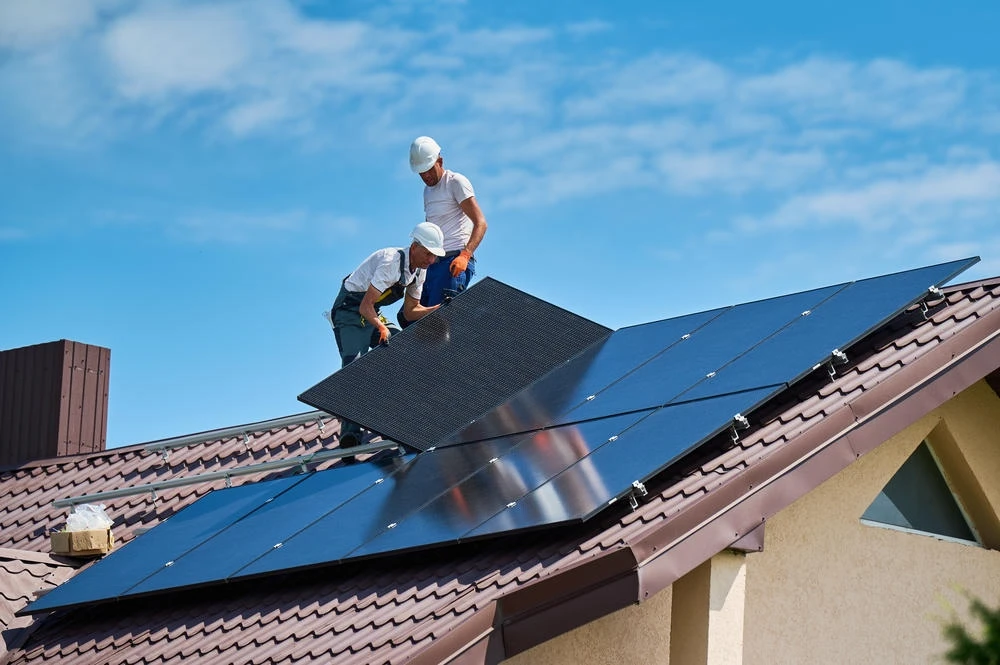
Ongoing maintenance.
Solar systems need little upkeep, but a periodic check is worthwhile. It picks up small issues, such as a panel losing output, a loose connection or an early inverter warning, while they’re still quick and inexpensive to fix.
- Panel & inverter inspection
- Output performance check
- Early fault detection
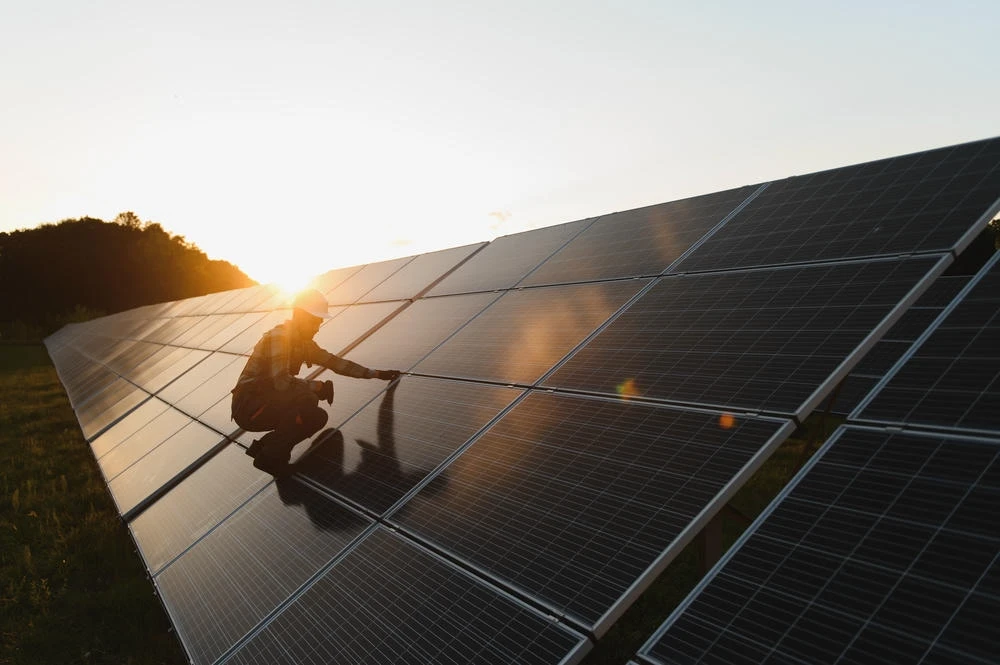
Repairs & fault-finding.
If your system is producing less than it used to, the inverter is showing a fault light, or a storm has caused damage, we’ll come out, find the cause and repair it.
- Inverter fault diagnosis
- Underperformance investigation
- Storm & damage assessment
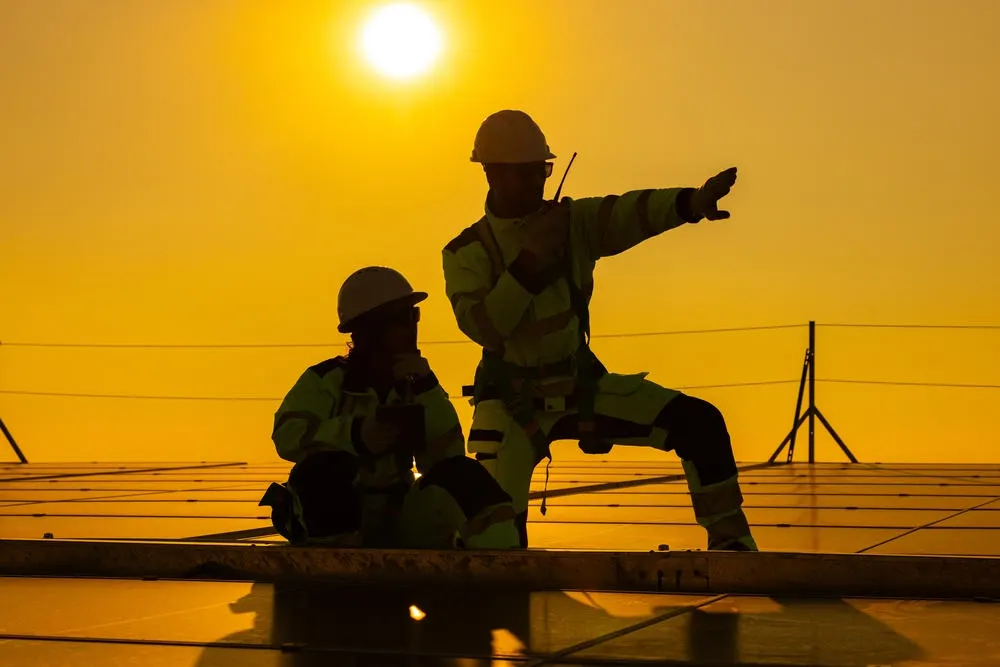
From sunlight to your switchboard.
Each panel is made up of photovoltaic cells that generate direct current (DC) electricity when sunlight hits them. More sunlight and cooler temperatures generally mean more power.
Panels are wired together in strings, and the DC power they produce runs down from the roof to your inverter. How those strings are laid out matters, because shade on one panel can pull down the output of others in the same string.
Your home runs on alternating current (AC), so the inverter converts the panels’ DC output into AC at the right voltage. It also monitors the system and logs faults, which makes it the first thing we check when there’s a problem.
The converted power goes to your switchboard and is used by whatever is running in your home at the time, before anything is drawn from the grid. The more of your usage that happens in daylight hours, the more of your own solar you use.
Anything your home isn’t using charges a battery if you have one, and any excess after that is exported to the grid for a feed-in credit on your bill. Stored power is there for the evening, when the panels have stopped producing.
What we check, every visit.
We look over every panel for cracks, hot spots, corrosion or debris that could be affecting output or, in rarer cases, pointing to a safety issue.
We check that the racking is still firmly fixed and that roof penetrations haven’t started letting water in.
Built-up dirt, dust or bird droppings can reduce a panel’s output, so we clean panels when they need it.
We test the inverter’s operation and go through its fault history for anything it’s logged since the last visit.
Isolators, cabling and connections are checked for wear, corrosion or anything that’s worked loose.
We compare the system’s output with what it should be producing for the time of year, so a gradual decline is picked up early.
What usually brings us out.
It’s often shading from a growing tree, dirt build-up, or a fault on a single string of panels. We test the system to find the cause.
An inverter that has shut itself down has usually detected a fault. We read its log and confirm it’s safe before restarting it.
Sometimes it’s the system and sometimes it’s only the monitoring unit losing its Wi-Fi connection, so we check that first.
We inspect panels, mounting and cabling for damage and make sure everything is safe before the system goes back into service.
Isolators and early-generation inverters are common failure points as a system ages; a check confirms everything’s still safe and working as it should.
The panels we put on your roof.
We install panels from four manufacturers, chosen for their reliability and local support. Select a brand to read more about it.
Trina Solar
One of the largest solar panel manufacturers in the world, with panels used across residential and large commercial installations alike.
Jinko Solar
Another of the world’s largest panel makers, and one of the most common brands on Australian roofs, with a long track record in local conditions.
AIKO
A newer name on Australian roofs, known for high-efficiency back-contact cells that get more output from a smaller roof area.
Canadian Solar
A long-established global manufacturer with panels installed in homes and commercial projects around the world, and a solid local support presence.
Roughly, what size system?
System size depends on your roof, your usage and your goals, so treat this as a starting point. Pick your household size to see a typical range.
Ask us about solar.
- Hours
- 8am to 5pm, 7 days a week
- Area
- All of Victoria
- ABN
- 16 700 727 608
Solar enquiry
Tell us a little about your property and we’ll call you back.